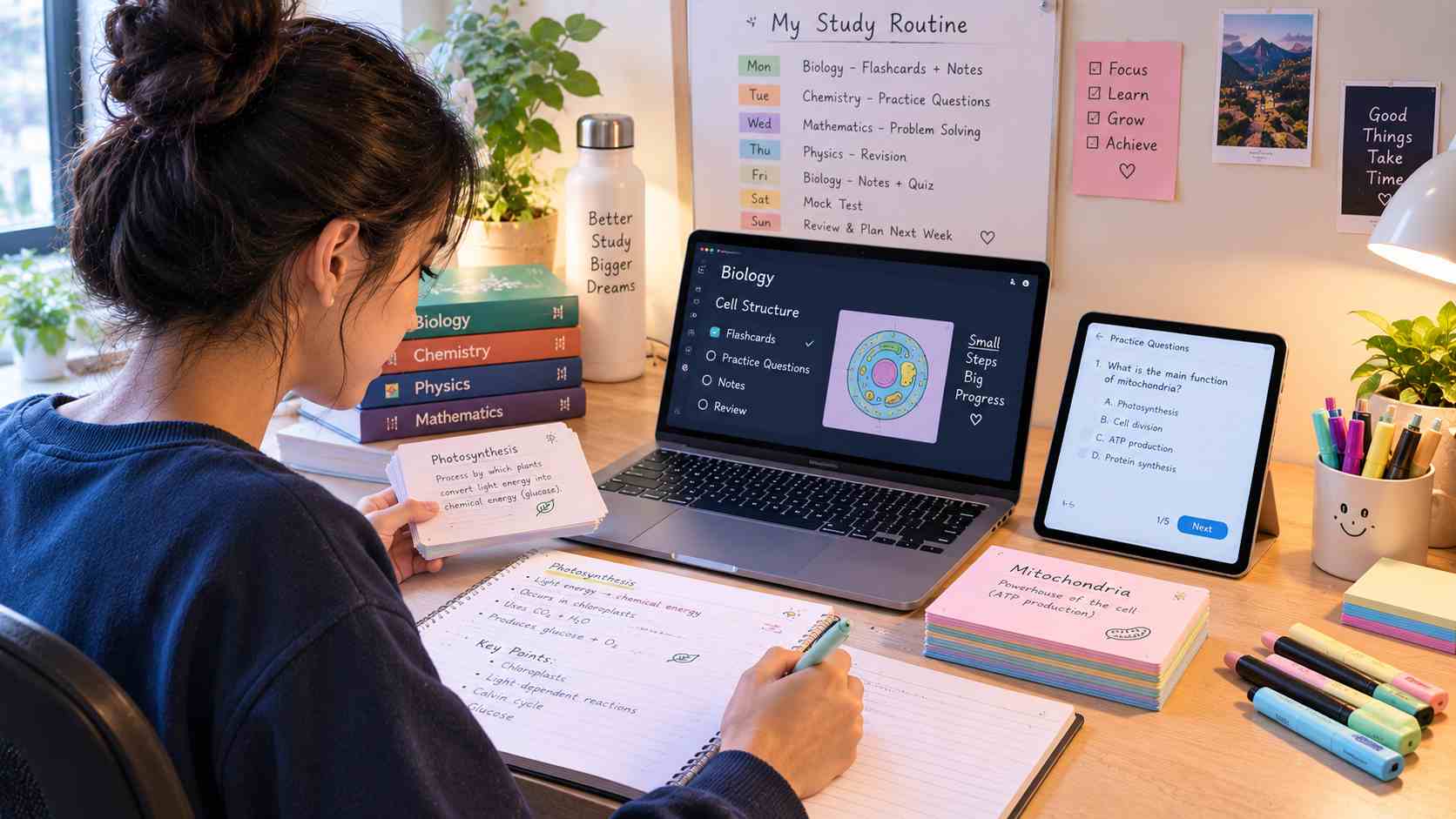
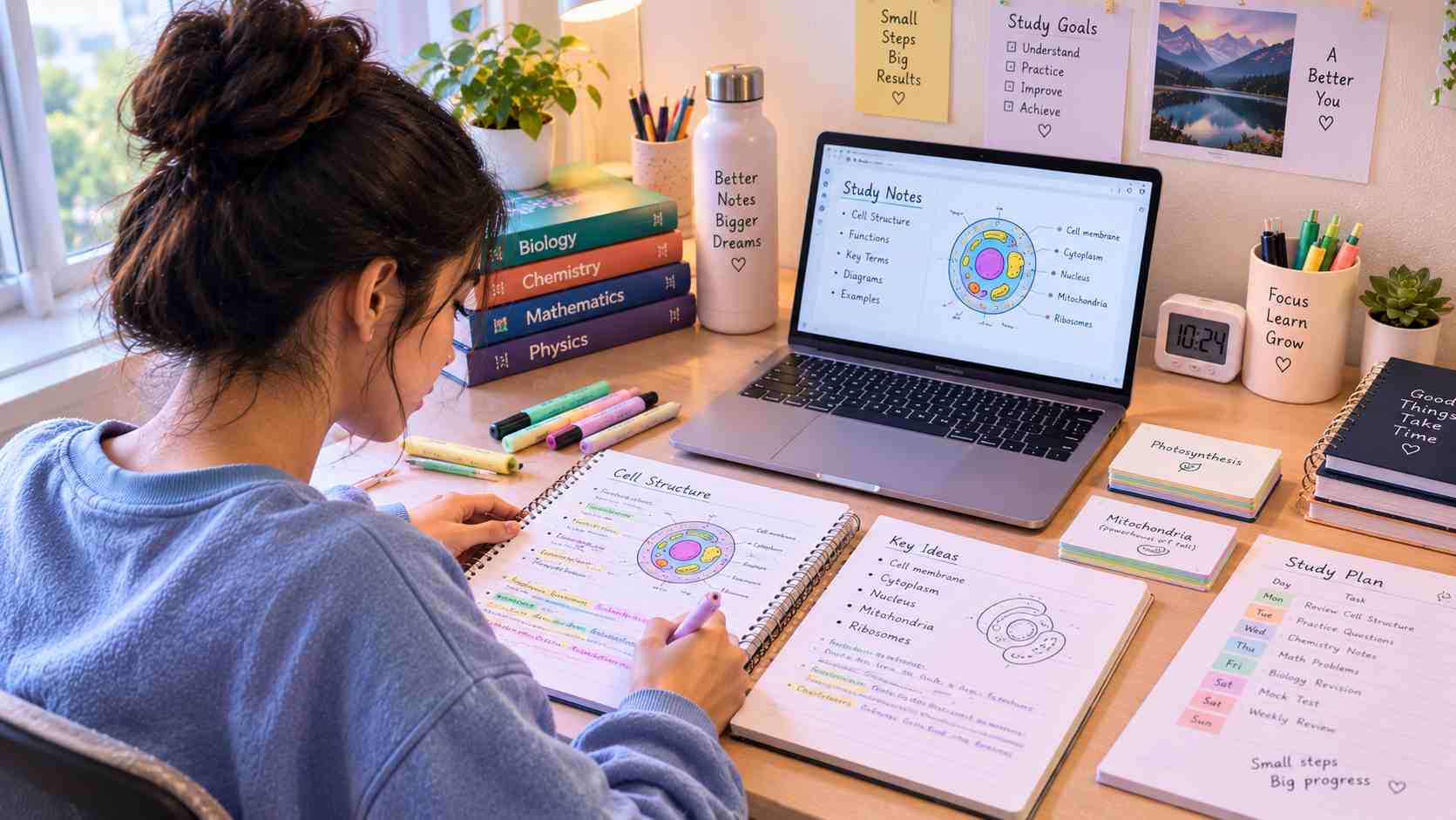
How to Study Effectively: Simple Ways to Learn Better
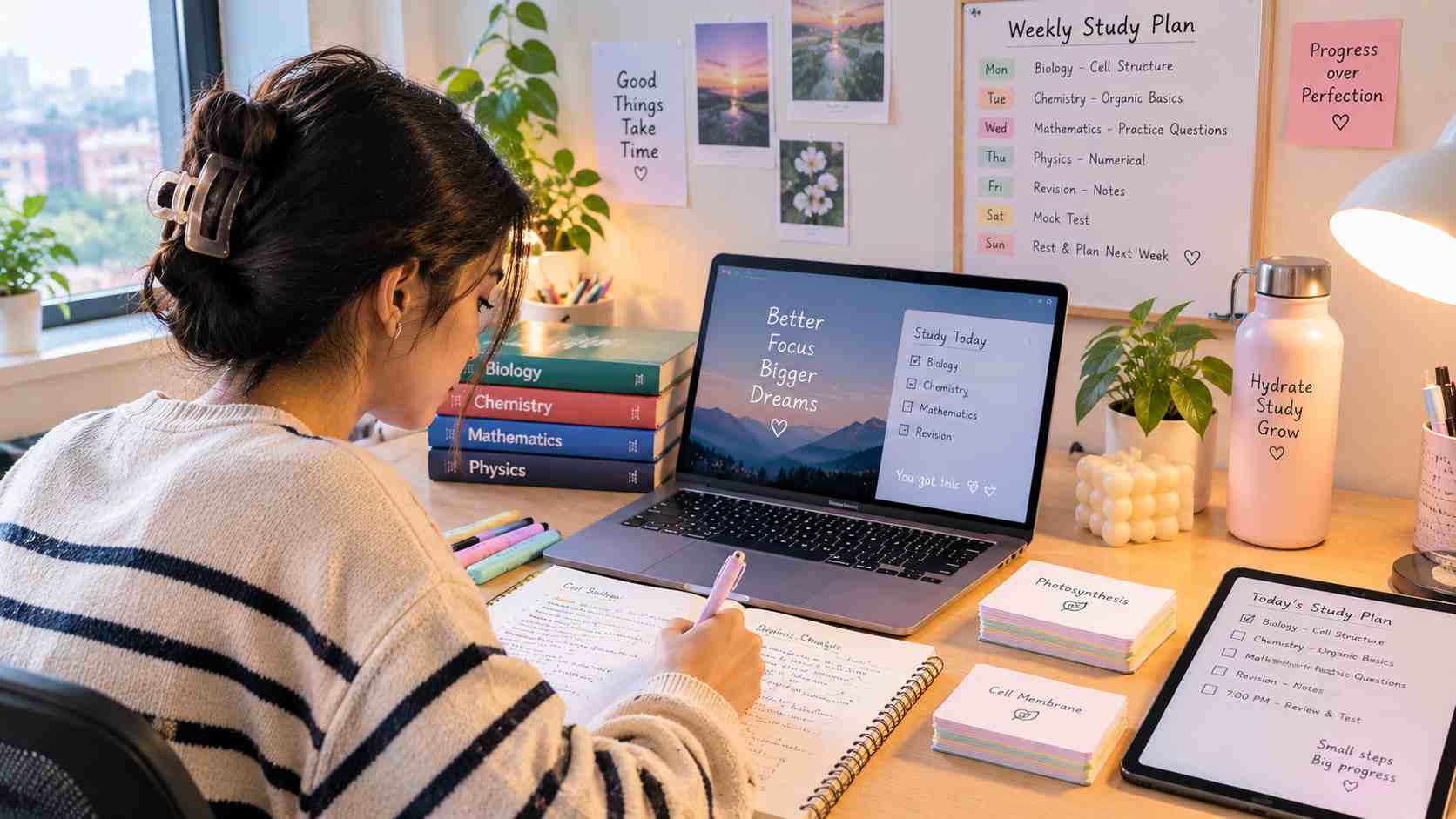
Learn how to study effectively with better planning, active practice, focused sessions, useful notes, and simple habits that make learning easier.
Knowing how to study effectively can make a big difference in how you use your time. Many students spend hours reading notes or textbooks but still struggle to remember what they learned later.
Effective studying is not simply about spending more time at your desk. It is about using your study time with a clear purpose. You need to understand what you are learning, practice retrieving information, work on difficult areas, and review important topics regularly.
You also need a study routine that you can actually maintain. A complicated plan may look impressive, but a simple routine that you follow consistently can be much more useful.
In this guide, you will learn practical ways to study effectively, avoid common mistakes, stay focused, and make each study session more useful.
What Does It Mean to Study Effectively?
Studying effectively means using your time and attention in ways that help you understand, remember, and use what you learn. It does not mean that every study session needs to be long or difficult.
An effective study session usually has a clear goal. You know what topic you are working on, what you want to accomplish, and how you will check your understanding afterward.
For example, instead of spending an hour simply reading a biology chapter, you could read the section, close your notes, explain the main ideas, and answer practice questions. This gives you more ways to interact with the material.
The best method can also depend on the subject. Mathematics may require more problem-solving, while history may involve understanding events, relationships, and key details. Effective studying means choosing methods that match the task.
Start Every Study Session With a Clear Goal
One of the easiest ways to improve your study routine is to decide what you want to accomplish before you begin.
A vague goal such as “study physics” does not tell you what to do. A clearer goal could be “review motion formulas and solve ten practice problems.” Now you know exactly what the session should involve.
Clear goals can also make studying feel less overwhelming. Instead of thinking about an entire textbook or syllabus, you can focus on one specific task.
Make Your Goal Specific
Write down one main objective before starting. Keep it realistic for the amount of time you have available.
For example, you might decide to review one chapter, create flashcards for a specific topic, complete a set of practice questions, or explain a difficult concept without looking at your notes.
When the session ends, check whether you completed the goal. This gives you a simple way to measure progress.
Understand the Material Instead of Only Memorizing It
Memorization has a place in studying, but understanding should come first whenever possible. When you understand an idea, it becomes easier to connect it with other information and use it in different situations.
After reading a new topic, close your book and explain the main idea using your own words. If you cannot explain it clearly, go back to the part that confused you.
Ask yourself questions such as:
- What is the main idea of this topic?
- Why does this concept matter?
- How does it connect to something I already know?
- Can I explain it without looking at my notes?
These questions turn studying from simple reading into active thinking.
Use Active Recall to Test Your Memory
Active recall means trying to remember information without immediately looking at the answer. It can be one of the simplest ways to make a study session more interactive.
After studying a section, close your textbook and write down everything important you can remember. You can also create questions and answer them without checking your notes first.
Flashcards are another option. Read the question or prompt, try to recall the answer, and only then check the other side.
The important part is the attempt to retrieve the information. If you cannot remember something, that is useful information because it tells you what needs more attention.
Turn Notes Into Questions
Instead of keeping notes as statements only, turn important points into questions. A heading such as “Causes of the French Revolution” can become a question about the main causes.
This gives you a ready-made practice tool for later review.
Practice Instead of Only Reading
Reading can help you become familiar with information, but many subjects require you to do something with that information.
If you are studying mathematics, solve problems. If you are studying a language, write or speak using new vocabulary. If you are preparing for an exam with written answers, practice writing responses.
Practice helps you discover whether you can actually use what you have learned.
When you make a mistake, do not simply look at the correct answer and move on. Identify why your answer was incorrect and try a similar question again.
Study Difficult Topics When You Are Ready to Focus
Not every topic requires the same amount of attention. Some material is easy to review, while other topics require deeper concentration.
Try to place difficult work during a period when you can give it your full attention. Save simpler tasks, such as organizing notes or reviewing familiar flashcards, for times when your energy is lower.
This does not mean there is one perfect time to study. Your schedule, responsibilities, and energy levels are different from someone else's.
Prepare Before You Start
Keep the materials you need close to you. Open the correct textbook or document, prepare your notebook, and decide what you will work on before starting the timer.
The less time you spend preparing after the session begins, the more time you can spend actually studying.
Remove Distractions From Your Study Space
Effective studying requires attention. Constant notifications and unrelated activities can make it harder to stay with one topic.
Before starting, silence unnecessary notifications and close unrelated browser tabs. If your phone is not needed for studying, place it somewhere that does not constantly attract your attention.
Your study space does not need to look perfect. It simply needs to support the task you are trying to complete.
If you regularly sit down to study but cannot maintain your attention, read this guide on what to do when you cannot focus on studying.
Use Focused Study Sessions
A focused study session gives you a clear beginning, purpose, and ending. Instead of sitting at your desk with no plan, decide what you will do before the session starts.
You can choose a study period that fits your schedule and energy. During that period, work on one main task rather than constantly switching between subjects.
Take reasonable breaks when you need them. A short break can give you an opportunity to step away from your desk before beginning the next task.
If you find it difficult to study alone, an online study room can also provide a dedicated environment where other people are working at the same time.
Review What You Learn Over Time
Studying a topic once does not mean you are finished with it. Important information should return to your study routine so you have opportunities to recall it again.
After learning a topic, schedule another review session. During the review, try to remember the important ideas before looking at your notes.
You can change the type of practice each time. One review could use flashcards, another could use questions, and another could involve explaining the topic from memory.
For more ideas about remembering information, you can read this guide on what happens in your brain when you learn.
Take Better Notes
Good notes should help you understand and review information later. You do not need to write down every sentence from a lecture or textbook.
Focus on important ideas, definitions, examples, relationships, questions, and areas that you find difficult.
Use headings and short sections so you can find information quickly. You can also leave space for questions or additional information that you discover during later study sessions.
Review Your Notes Actively
Do not only read your notes from beginning to end. Cover sections and try to explain them from memory.
You can also turn important sections into questions and use them for self-testing later.
Use Accountability When You Need It
It can be easy to postpone studying when nobody knows whether you started. Accountability can give you another reason to sit down and begin.
You could study with a friend, tell someone what you plan to complete, or join an online study room with other students.
Studying alongside other people can also make the study session feel more structured. You have a clear reason to arrive, start working, and stay with the task.
StudyMates provides virtual study rooms where students can work alongside others in a focused environment. You can use a study room as part of your regular study routine when you want additional accountability.
Do Not Ignore Rest and Sleep
Effective studying is not about filling every free hour with schoolwork. Your routine also needs time for rest.
If you are exhausted, it can become harder to concentrate and complete tasks carefully. Build reasonable breaks into your schedule and give yourself time away from your desk.
A sustainable study routine is easier to maintain than one that leaves you constantly exhausted.
Build Your Own Effective Study Routine
You do not need to change everything at once. Start by improving one part of your routine.
Choose a clear goal before each session. Focus on understanding the material. Test yourself with active recall. Practice what you are learning. Review important topics again later. Remove distractions and create an environment that helps you focus.
Then look at what works for you and adjust your routine. Different subjects may require different approaches, and your schedule may change during the school year.
Effective studying is not about finding one perfect technique. It is about building a system that helps you understand, practice, remember, and use what you learn.
Frequently Asked Questions
How can I study effectively every day?
Start each session with one clear goal and use active methods such as questions, practice, and recall. Keep your routine realistic so you can continue it regularly.
Is studying for longer hours more effective?
Longer study sessions are not automatically better. Focused sessions with clear goals and active practice can make your available study time more useful.
What is the best study method?
There is no single method that works equally well for every subject and student. A combination of understanding, active recall, practice, and review can give you a strong foundation.
How can I stop getting distracted while studying?
Remove unnecessary notifications, keep unrelated devices and tabs away, and decide what you will study before starting. A dedicated study environment can also make it easier to stay focused.
How do I know if my study method is working?
Test yourself without looking at your notes and see whether you can explain or use what you learned. If you can recall and apply the material more confidently, your study approach is giving you useful practice.