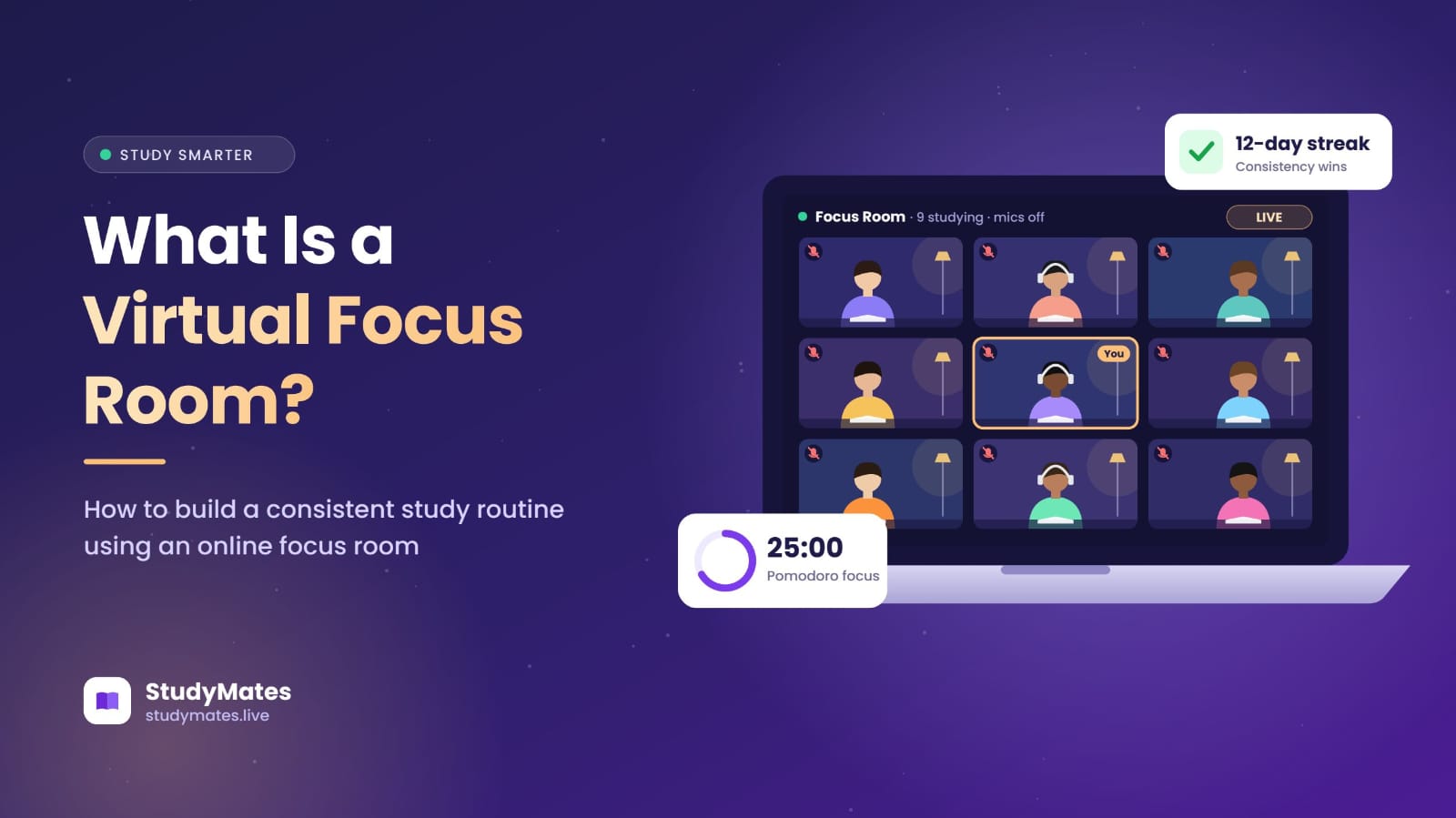
Embrace the Digital Classroom: Your Guide to Online Study Success
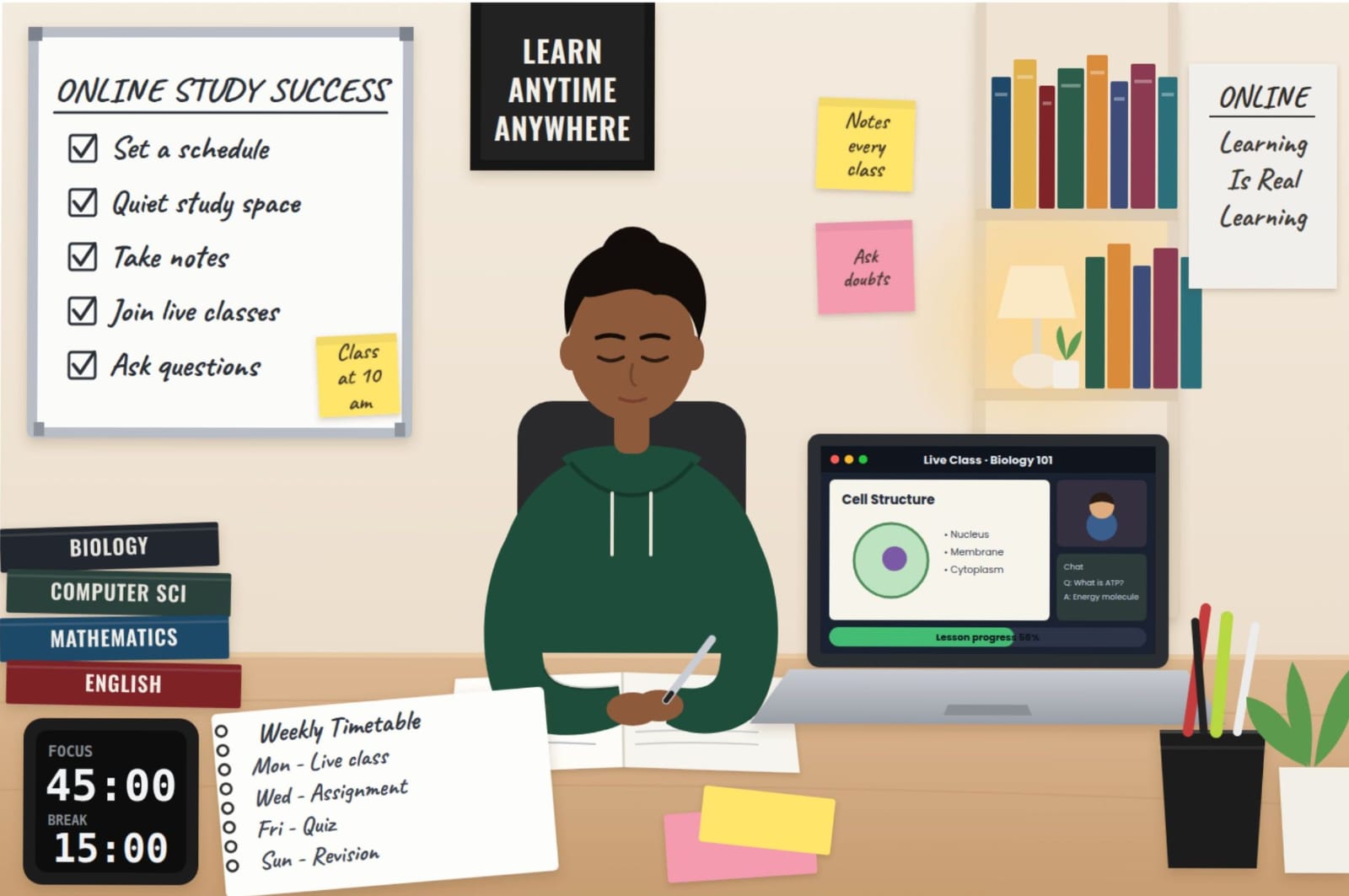
Master online learning with practical strategies to stay focused, manage your time, overcome distractions, and succeed in the digital classroom. Learn the benefits of online education, common challenges, and proven study techniques to boost productivity and achieve your academic goals.
Introduction: The Rise of Online Learning
The educational landscape has undergone a profound transformation, with online learning emerging as a dominant force in how we acquire knowledge and skills. What began as a humble concept of distance learning, often involving mail correspondence, has been propelled into a sophisticated digital realm by the advent of the internet and advanced technologies. The COVID-19 pandemic significantly accelerated this shift, compelling institutions worldwide to embrace remote instruction and solidifying online learning's role as a fundamental part of the educational experience for millions.
Today, online learning is no longer just an alternative; it's a preferred choice for many. Statistics highlight this remarkable growth: in the 2022-2023 academic year, an estimated 53.4% of all postsecondary degree seekers in the U.S. took at least some online courses, with 26% enrolled exclusively in distance education. The global e-learning market is projected to reach an astounding $1 trillion by 2032, reflecting substantial growth and widespread adoption across various sectors. This surge is driven by increasing internet accessibility, a demand for flexible learning options, and continuous technological advancements. As we continue to navigate the digital age, understanding how to effectively study online is becoming an increasingly valuable skill.
The Unparalleled Advantages of Studying Online
The appeal of online learning stems from a myriad of benefits that cater to diverse learners and their unique circumstances. These advantages extend beyond mere convenience, offering profound impacts on accessibility, personal development, and career advancement.
Flexibility and Accessibility
One of the most significant benefits of online learning is its inherent flexibility and accessibility. Online courses remove the constraints of traditional classroom settings, allowing students to access course materials, participate in discussions, and complete assignments on their own schedules. This is particularly advantageous for non-traditional students, such as working professionals, parents, and individuals with other commitments, who can pursue their educational goals without sacrificing personal or professional responsibilities. We can learn from virtually any location where Wi-Fi is available. This flexibility also allows us to study when our brains are most engaged, enhancing concentration and participation.
Cost-Effectiveness
Studying online can also be more cost-effective. It often reduces or eliminates expenses associated with traditional education, such as commuting costs, relocation issues, and even certain textbook fees. This financial benefit makes higher education more attainable for a broader audience.
Diverse Learning Opportunities
The growth of online courses has led to an extensive array of subjects available, ranging from technical skills to personal development. We can choose from comprehensive online courses offered by universities, community colleges, and specialized training centers, ensuring that we can find a mode of learning that best suits our individual needs and learning styles. This also means access to a wider range of academics and courses than might be available locally.
Enhanced Skill Development
Online learning fosters the development of crucial skills for today's digital world. We can boost our time management skills by taking responsibility for our own study schedules. Immersing ourselves in online platforms also enhances our technical literacy. Furthermore, online environments can create opportunities to enhance communication skills through different forms of interaction with peers and instructors. Perhaps most importantly, online education cultivates self-motivation and self-discipline, which are vital for success in any endeavor.
Personalized Learning and Improved Retention
Modern online learning platforms are increasingly incorporating personalized learning paths, leveraging data analytics and adaptive learning technologies to tailor educational experiences. This allows us to progress at our own pace, focusing on areas where we need additional support. Studies suggest that online learning can lead to higher retention rates, with students retaining between 25% and 60% more information. This is partly attributed to the flexibility and access to virtual materials, allowing students to spend as much time as needed on each topic.
Global Perspective
Online learning creates a global classroom, enabling us to interact with peers and instructors from different cultures and backgrounds. This fosters a more inclusive and international perspective, an invaluable asset in our increasingly interconnected world.
this blog also: - Why Focus Rooms Help You Study Longer
Navigating and Overcoming Online Learning Challenges
While the benefits of studying online are extensive, it's also important to acknowledge and address the challenges that can arise in a virtual learning environment. Recognizing these hurdles allows us to develop proactive strategies for success.
Time Management and Procrastination
One of the most significant challenges is effective time management. Without the rigid structure of a traditional classroom, it can be difficult to prioritize tasks and avoid procrastination, potentially leading to missed deadlines and increased stress. The temptation of distractions at home, such as social media or streaming services, can be strong.
Lack of Interaction and Social Isolation
The absence of face-to-face interaction can sometimes lead to feelings of isolation and a lack of connection with peers and instructors. This can make it difficult to maintain sustained interest in a course or program.
Technical Difficulties and Digital Literacy
Technical issues, such as unstable internet connections, unfamiliar software, or outdated hardware, can disrupt the learning experience. Furthermore, a lack of digital literacy can hinder our ability to navigate platforms and effectively use online resources.
Maintaining Motivation and Engagement
Staying motivated can be challenging in an online setting, especially without regular in-person check-ins or the social energy of a traditional classroom. This can potentially lead to lower engagement and higher dropout rates.
Adapting to New Learning Styles
Online learning requires us to take more responsibility for our education, which can be challenging for those accustomed to traditional, teacher-led environments. Adjusting to self-paced learning and different modes of feedback can be difficult.
Essential Strategies for Online Learning Success

To truly thrive when we study online, we need to adopt specific strategies that maximize the advantages and mitigate the challenges of the digital classroom.
1. Establish a Structured Routine and Dedicated Study Space
One of the most effective strategies is to create a consistent study schedule and treat online class times, deadlines, and study sessions as fixed commitments. We can use calendars (digital or physical) to block out specific times for coursework, work, and personal obligations. This visible plan helps maintain momentum and prevents tasks from being overlooked.
Equally important is establishing a dedicated study space. This doesn't require a fancy home office; even a quiet corner with good lighting can make a significant difference. This space should be free from distractions, where we can focus solely on our studies.
2. Practice Effective Time Management Techniques
To combat procrastination and manage large workloads, we can employ several time management techniques:
● Break down large tasks: Instead of focusing on an overwhelming project, divide it into smaller, manageable steps. For example, for a research paper, we can outline the introduction, then write one section at a time.
● Use the Pomodoro Technique: This involves working for 25 minutes, then taking a 5-minute break, and repeating the cycle. After four sessions, take a longer 15-minute break. This method helps maintain focus and prevents burnout.
● Avoid multitasking: Focus on one assignment at a time to increase productivity.
● Minimize distractions: Turn off notifications, log out of non-essential apps, and put our phones out of reach while studying. Site-blocking plugins can also be useful.
3. Actively Engage and Build a Support Network
To combat isolation and enhance engagement, we should actively participate in our online learning communities:
● Connect with other students: Join virtual study groups, participate in discussion forums, and reach out to classmates via email, video calls, or messaging apps. Instructors often provide small assignments to encourage these connections.
● Interact with instructors: Take every opportunity to communicate with our educators, whether through virtual office hours, email, or discussion boards. Most instructors are eager to help and appreciate proactive engagement.
● Maintain a personal social life: It's crucial to balance study with real-world social interaction to reduce stress and prevent feelings of loneliness.
● Share progress: Posting accomplishments on social media or discussing them with friends and family can provide valuable encouragement and support.
4. Cultivate Self-Discipline and Set Clear Goals
Self-discipline is paramount in online learning. We need to set clear, concrete goals for each study session and for the overall course. Vague goals like "get a good grade" are less motivating than specific ones, such as "achieve at least 92%" or "improve communication skills by creating effective presentations." Writing down our goals or creating visual representations, like vision boards, can provide a constant reminder and motivational boost. Rewarding ourselves for reaching milestones can also be a powerful motivator.
5. Leverage Technology and Resources
Utilize the technological tools and resources available through our online programs. This includes Learning Management Systems (LMS) with their interactive features, multimedia content, quizzes, and discussion boards. Many institutions also offer tutoring services, writing centers, and IT support, which we should not hesitate to access.
read this blog also: - Body Doubling for Students: The Science Behind Studying Better With Others
Conclusion: The Future is Flexible
The future of education is undeniably flexible, with online learning continuing its trajectory of growth and innovation. The shift towards digital learning platforms, significantly accelerated by recent global events, has laid a robust foundation for long-term transformation. As we move forward, we can expect even more sophisticated and personalized online learning experiences.
Key trends shaping the future of online education include the increasing integration of Artificial Intelligence (AI), which can offer personalized learning paths, intelligent tutoring systems, and automated assessments. Gamification and interactive learning experiences are also becoming more prevalent, making learning more engaging and motivating through game-like elements. Furthermore, microlearning, delivering content in small, focused segments, caters to shorter attention spans and mobile learning preferences. Virtual Reality (VR) and Augmented Reality (AR) are poised to revolutionize online learning by creating immersive and interactive environments for experiential learning.
The recognition of online degrees and certifications by employers is on the rise, further solidifying the value of digital education. Online learning is not just about adapting to new circumstances; it's about embracing a mode of education that is inherently flexible, accessible, and increasingly tailored to individual needs. By proactively engaging with the strategies outlined, we can confidently study online and unlock our full potential in this evolving educational landscape.

join study mates
Frequently Asked Questions About Online Study
Is online education as effective as traditional face-to-face instruction?
Research suggests that online education can be just as effective, and sometimes more effective, than traditional coursework. A U.S. Department of Education analysis found that online students often outperform classroom-based students. However, effectiveness can vary depending on the course content, technology used, student engagement, and individual learning styles. Success in online learning often correlates with strong self-efficacy, computer literacy, good time management skills, and a positive attitude.
What kind of qualifications can I get online?
The variety of online courses has grown extensively. We can pursue everything from short skill-based programs and micro-credentials to comprehensive degree programs, including undergraduate and graduate degrees. Many universities, community colleges, and specialized training centers offer a wide array of subjects online.
How do I choose the right online course or program?
When choosing an online course, consider factors such as:
● Accreditation: Ensure the institution and program are accredited to ensure quality and recognition.
● Course content and objectives: Does it align with your learning goals and career aspirations?
● Flexibility: Does the schedule and pace suit your lifestyle and commitments?
● Technology requirements: Do you have the necessary devices and internet access?
● Support services: What academic and technical support does the institution offer?
● Learning style: Does the course format (e.g., asynchronous, synchronous, blended) match how you learn best?
How can I avoid feeling isolated while studying online?
To combat isolation, actively connect with your learning community. Participate in discussion forums, join virtual study groups, and reach out to your instructors. Maintaining a personal social life outside of your studies is also crucial for overall well-being. Many online platforms offer tools for collaboration and interaction, which we should leverage.
What are common technical challenges and how can I overcome them?
Common technical challenges include unstable internet connections, unfamiliar software, and outdated hardware. To overcome these, ensure you have reliable internet access and
up-to-date devices. Familiarize yourself with the digital tools used in your courses and know how to access technical support provided by your institution. Some platforms optimize content for low-bandwidth environments and offer offline learning options.