How to Avoid Exam Burnout: Study Without Exhaustion
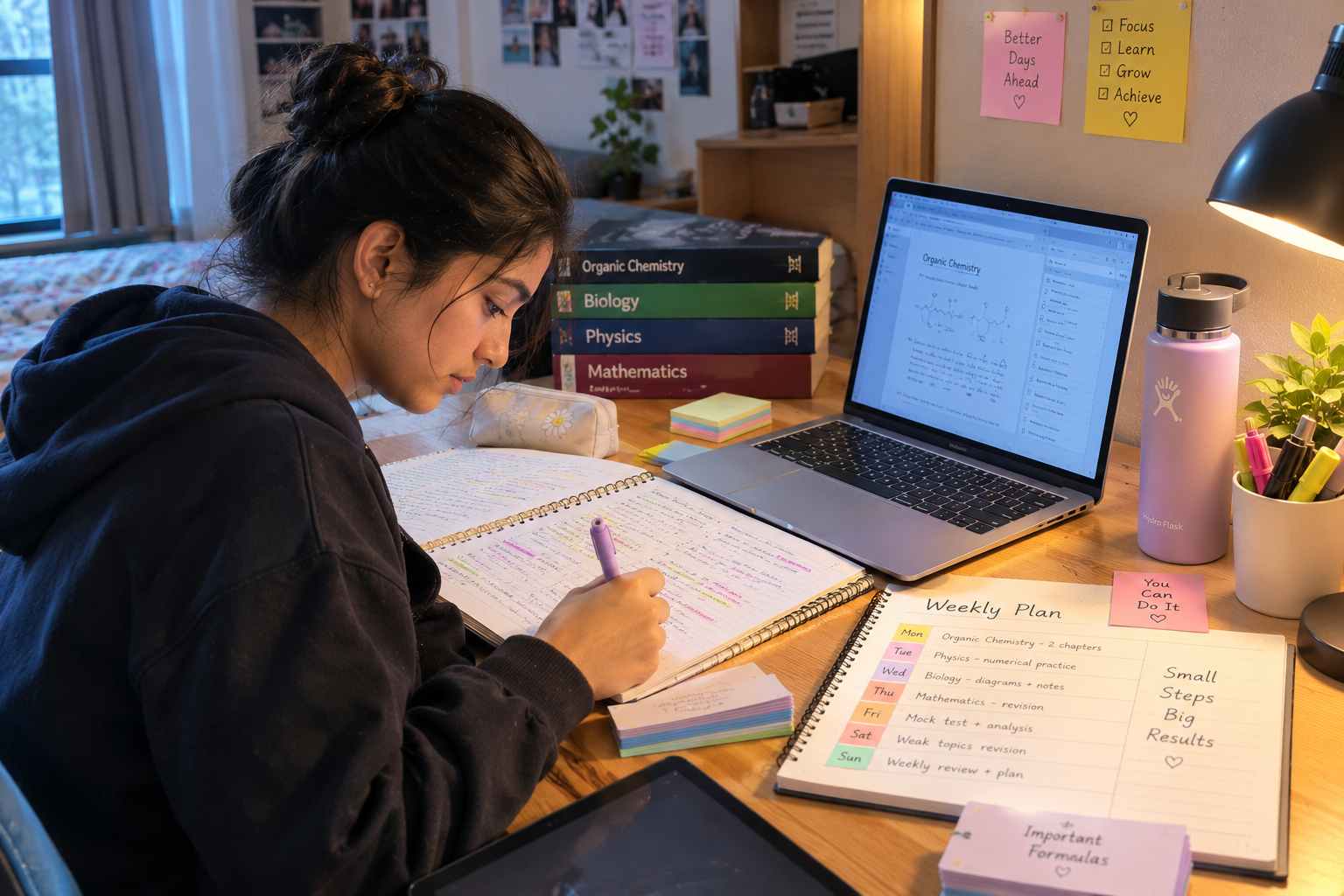
Learn how to avoid exam burnout with realistic study goals, regular breaks, better planning, and healthy routines that help you prepare without feeling overwhelmed.
Exam preparation can slowly take over your day. You start with a plan to study a few chapters, then add more topics, extra practice questions, and another revision session. Before long, it can feel as though there is always something else you should be studying.
When the pressure continues, studying may start to feel exhausting rather than productive. You might struggle to concentrate, lose motivation, feel frustrated by small tasks, or find it difficult to take a break without feeling guilty.
Working harder is not always the answer. A sustainable study routine needs time for focused work, revision, breaks, and recovery. It should help you prepare for exams without treating every hour of the day as study time.
In this guide, you will learn how to recognize signs of study overload, manage your workload, and build an exam routine that is easier to maintain.
What Is Exam Burnout?
Exam burnout is a common way students describe feeling emotionally and mentally exhausted during an intense period of exam preparation. It may involve feeling overwhelmed by studying, struggling to stay motivated, or finding it difficult to engage with work that once felt manageable.
Feeling tired after a long study session does not automatically mean you are experiencing burnout. However, persistent exhaustion and increasing difficulty managing your usual workload are signs that your routine may need attention.
Exam pressure can become harder to manage when you set unrealistic expectations, sacrifice sleep, skip breaks, or feel that you must study constantly to succeed.
The goal is not to avoid every difficult or stressful day. The goal is to prepare in a way that gives you a reasonable chance to keep going without exhausting yourself.
1. Recognize When You Are Doing Too Much
The first step is noticing when your study routine is no longer working well for you.
You might spend longer at your desk but understand less of what you read. You might repeatedly postpone tasks because the workload feels too large. You might become unusually frustrated when you make a mistake or feel guilty whenever you are not studying.
Other warning signs can include persistent tiredness, difficulty concentrating, losing interest in usual activities, and feeling overwhelmed by tasks you previously managed.
These experiences can have different causes, so do not assume that every difficult day is burnout. Instead, use them as a reason to review your schedule and consider whether you need more rest or support.
Ask yourself whether your current plan is realistic. If you regularly cannot complete it without sacrificing sleep or other basic needs, the plan needs to change.
2. Create a Realistic Study Plan
An unrealistic timetable can make every day feel like a failure. If your plan includes more work than you can reasonably complete, you may constantly feel behind even when you are making progress.
Start by listing your subjects, exam dates, and remaining topics. Identify which topics need the most attention and divide large tasks into smaller steps.
Instead of writing “finish the entire syllabus,” set specific goals such as reviewing one chapter, solving a set of questions, or revising a particular concept.
Leave some open time in your schedule. Difficult topics may take longer than expected, and unexpected responsibilities can interrupt your plans.
A useful study plan should help you decide what matters most. It should not make you feel that you have failed whenever your day changes.
3. Prioritize What Matters Most
When exams are approaching, it can be tempting to treat every topic as equally urgent. This can leave you jumping between subjects without making meaningful progress.
Instead, prioritize topics according to your syllabus, current understanding, and exam requirements.
Identify topics you understand well, topics that need revision, and topics that require more careful study. Spend more time where additional work is likely to help you most.
For example, if you already understand a chapter, a short self-test may be enough to identify any gaps. A difficult chapter may need a longer session with explanations and practice questions.
Prioritizing does not mean ignoring the rest of your syllabus. It means making deliberate choices about how to use the time you have available.
4. Take Breaks Without Feeling Guilty
When exams are close, taking a break can feel like wasting valuable time. You may worry that every minute away from your books puts you further behind.
However, breaks are a normal part of a sustainable study routine. They give you an opportunity to step away from a task, move around, drink water, or rest your attention before returning to work.
Plan breaks instead of waiting until you are completely exhausted. After a focused session, take a short pause and decide what you will work on next.
Use your break to do something that helps you feel refreshed. You might stretch, walk around, get a drink, or look outside for a few minutes.
Try not to replace every break with endless scrolling if you find that doing so leaves you feeling more distracted or tired.
5. Stop Measuring Progress Only by Study Hours
Studying for a long time does not automatically mean that you have learned more. Hours at your desk are only one part of exam preparation.
Pay attention to what you can actually do after a session. Can you explain the concept? Can you answer practice questions? Can you identify the mistakes you made and correct them?
Set goals based on meaningful work rather than simply counting time.
For example, completing a focused review of a difficult topic and testing your understanding may be more useful than spending the same period repeatedly reading a chapter without checking what you remember.
This change can also make progress easier to recognize. Instead of feeling that you have achieved nothing because you studied fewer hours, you can see which tasks you completed and what you learned.
6. Use Active Study Methods
Passive study can become tiring when you spend long periods rereading the same material without a clear purpose.
Try making your study sessions more active. Close your notes and recall the main ideas, answer questions, solve problems, explain concepts in your own words, or draw a diagram from memory.
These methods give each session a specific task and help you identify gaps in your understanding.
After attempting a question, check your answer and focus on the reason for any mistake. This gives your next study session a clear direction.
If you cannot focus on your work, try these practical strategies for improving concentration while studying.
7. Protect Your Sleep and Daily Routine
When deadlines approach, sleep can become the first thing students sacrifice. Staying up late may feel like a way to gain extra study time, but regularly missing sleep can make it harder to concentrate, remember information, and manage daily tasks.
Try to maintain a reasonably consistent sleep schedule. Give yourself enough time to wind down after studying and avoid building a routine that depends on being exhausted the next morning.
Keep meals, hydration, and some movement in your day as well. These basic habits support your general wellbeing during demanding periods.
You do not need a perfect lifestyle routine to prepare effectively. Start with the habits that are easiest to maintain and avoid treating rest as a reward you must earn by finishing every task.
8. Avoid Comparing Your Study Routine With Others
It is easy to feel behind when classmates talk about how many chapters they have completed or how long they studied the previous night.
However, other students may have different subjects, preparation levels, schedules, and responsibilities. Their routines are not automatically suitable for you.
Use your own progress as the main guide. Look at what you understood yesterday, what you need to improve today, and which tasks will help you prepare for your exams.
If a classmate shares a useful technique, you can try it without copying their entire schedule.
Your aim is to build a routine that supports your learning and fits your circumstances, not to prove that you can study longer than everyone else.
9. Make Your Study Environment Less Stressful
Your environment can make it easier or harder to settle into a study session.
Choose a place where you can work comfortably and reduce interruptions as much as possible. Keep the books and materials you need nearby so you do not waste time searching for them.
Before starting, choose one task and put away unrelated materials. A crowded desk or a screen full of open tabs can make it harder to know where to begin.
Some students also find it easier to study when other people are working nearby. This can provide a sense of structure without requiring everyone to study the same subject.
StudyMates offers virtual study rooms where students can work alongside others and build a more structured study routine.
10. Learn to Adjust Your Plan When You Fall Behind
Missing a study session does not mean your entire plan has failed. It simply means that you need to decide what to do next.
First, review the tasks you have not completed. Identify the most important ones and decide which can be moved to another day.
Do not automatically add every unfinished task to tomorrow. That can create an even larger workload and make the same problem repeat.
Instead, adjust your priorities, shorten less important tasks where appropriate, and create a realistic plan for the time that remains.
If you are falling behind because you keep delaying the start of a session, make the first task smaller. Opening your notes and answering one question can be a useful starting point.
11. Talk to Someone When You Need Support
You do not have to manage exam pressure entirely on your own.
If the workload feels overwhelming, consider talking with a teacher, trusted family member, friend, or academic adviser. They may help you clarify priorities, discuss deadlines, or find a more manageable way to prepare.
If feelings of exhaustion, anxiety, low mood, or difficulty functioning persist, consider seeking support from a qualified health professional.
Asking for help is not a sign that you have failed. It is a practical step when your current approach is not meeting your needs.
Create a Sustainable Exam Routine
A sustainable routine gives you a way to study consistently without expecting yourself to perform at maximum capacity every hour.
Start the day by choosing a few realistic priorities. Use focused sessions for important tasks, include breaks, and leave some flexibility for changes.
At the end of the day, review what you completed. Note the topics that still need work and decide where to begin tomorrow.
Keep the routine simple enough that you can repeat it. You can change the schedule as exams approach, but avoid making every day more intense just because the deadline is closer.
Most importantly, remember that preparation includes learning, practice, revision, and recovery. A plan that allows space for all four is more sustainable than one built entirely around longer study hours.
You do not have to exhaust yourself to make progress; you need a study plan that helps you keep moving forward.
Frequently Asked Questions
What are the signs of exam burnout?
Students may describe exam burnout as ongoing exhaustion, reduced motivation, difficulty concentrating, or feeling overwhelmed by studying. These signs can have different causes, so persistent or severe difficulties deserve attention and support.
How can I study for exams without getting exhausted?
Set realistic goals, prioritize important topics, use focused sessions, and schedule breaks. Protect your sleep and adjust your workload when your plan becomes unmanageable.
Should I stop studying if I feel burned out?
If you feel exhausted, a break or lighter study session may be more useful than forcing yourself to continue. If the feeling persists or affects your everyday functioning, consider talking to someone you trust or seeking professional support.
How many breaks should I take while studying?
There is no single schedule that works for everyone. Take breaks that fit your concentration, workload, and comfort, and adjust them when you notice your attention declining.
How can I stay motivated during exam preparation?
Use small goals, track completed tasks, and focus on your own progress rather than comparing your routine with others. A realistic schedule and regular recovery time can also make it easier to keep studying consistently.