How to Study When You Have No Motivation
Learn how to study when you have no motivation by starting small, reducing distractions, choosing clear tasks, and building a routine you can follow.
Some days, you know you need to study, but you simply do not feel like starting. You may look at your books, open your laptop, or check your study plan and still feel stuck. The problem is not always that you are lazy. Often, the first step feels harder than the work itself.
When motivation is low, waiting until you feel ready can make studying even harder. A better approach is to make the first step smaller, clearer, and easier to begin. Once you start, continuing usually becomes more manageable.
This guide explains how to study when you have no motivation without depending on a sudden burst of energy. You will learn practical ways to start, choose what to study, handle distractions, and build a routine that works even on difficult days.
If you often lose focus after sitting down, it can also help to understand what to do when you cannot focus on studying.
Do Not Wait for Motivation to Appear
Motivation can change from day to day. If your study routine depends entirely on feeling motivated, it becomes difficult to stay consistent. You may study well when you feel energetic and avoid studying when your mood changes.
Instead, think of motivation as something that can follow action. You do not need to feel excited before opening your book. You only need enough willingness to begin a small task.
Your goal on a low-motivation day is not to create the perfect study session. Your goal is to create movement. A small start is better than spending an hour thinking about starting.
Find Out Why You Do Not Want to Study
Before forcing yourself to study, identify what is making the task difficult. “I have no motivation” can mean several different things.
- You may feel overwhelmed because you have too much work to finish.
- You may not know which topic you should study first.
- You may be tired and need a short break before beginning.
- You may find the subject difficult and expect the session to feel uncomfortable.
- You may be distracted by your phone, social media, games, messages, or other tasks.
- You may have missed earlier study sessions and now feel guilty about being behind.
Once you know the real problem, you can choose a better solution. For example, an overwhelming workload needs prioritization, while phone distractions need an environment change.
Start With a Very Small Task
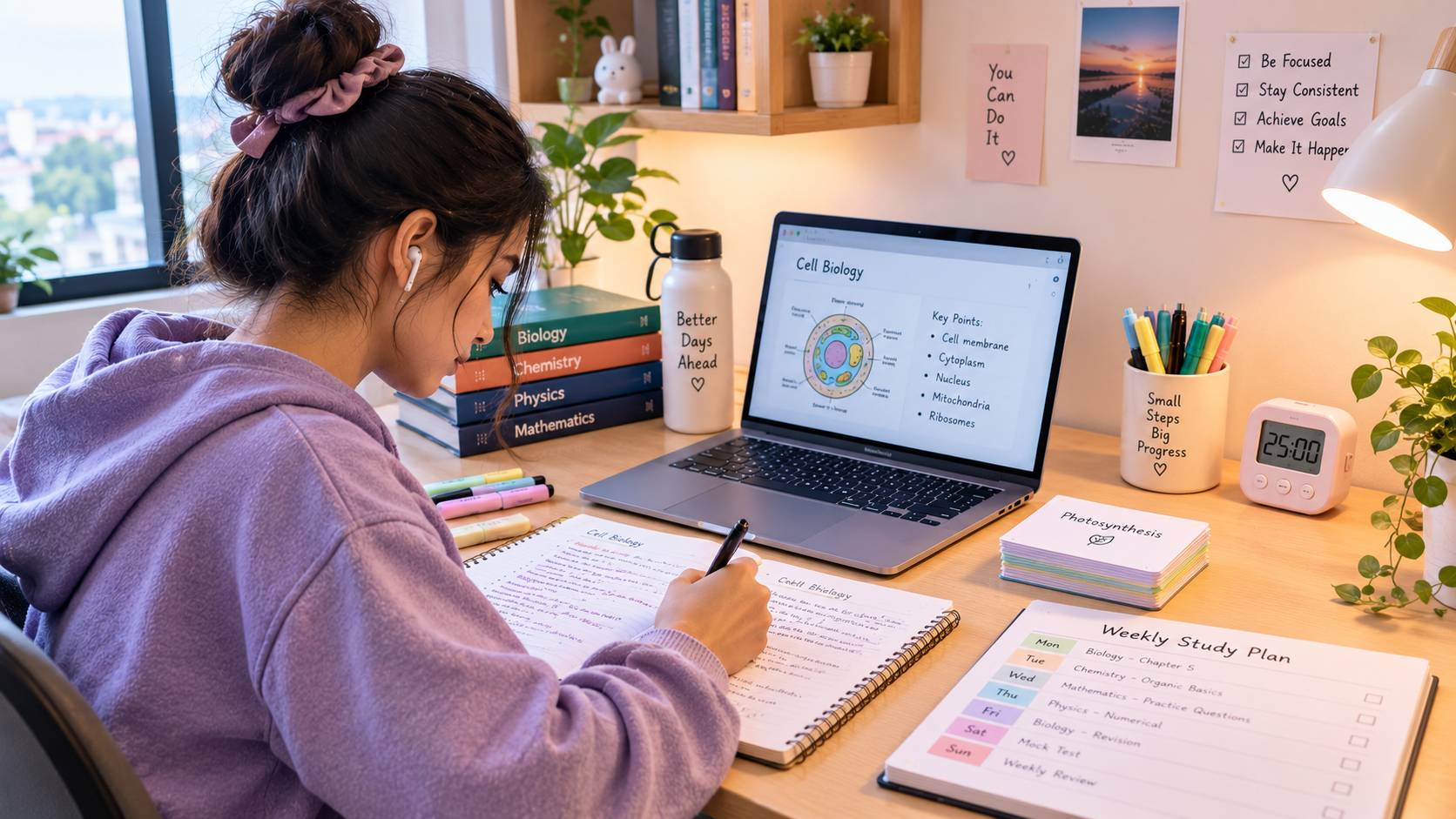
One of the easiest ways to study when you have no motivation is to lower the starting point. Do not tell yourself that you must finish an entire chapter. Choose one small action instead.
- Read two pages of a chapter.
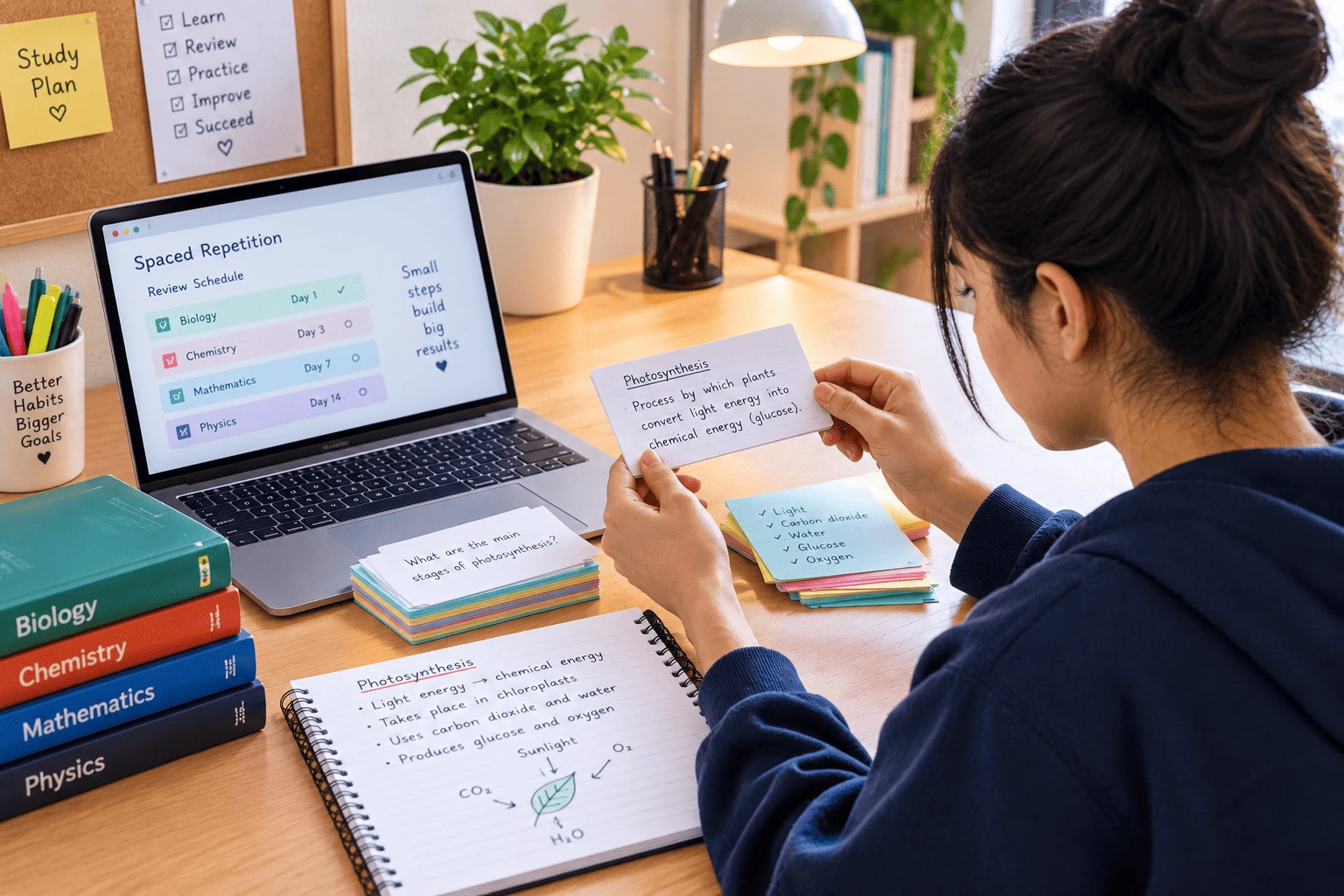
- Review five flashcards.
- Solve three practice questions.
- Write a short summary of one concept.
- Organize the notes you need for the next topic.
A small task removes some of the pressure around starting. Once you complete it, you can decide whether to continue. If you continue, the study session has already begun. If you stop, you still made progress.
Use a Five-Minute Start
When your mind keeps telling you to postpone studying, make the commitment smaller. Tell yourself that you will study for only five minutes. During those five minutes, put your phone away, open the required material, and work on one clearly defined task.
The purpose is not to finish important work in five minutes. The purpose is to remove the mental barrier between thinking about studying and actually studying.
After five minutes, you can continue if you are ready. You may also take a short break and try again. Repeating small starts can be more useful than waiting for the perfect mood.
Choose One Task Instead of a Long To-Do List
A long list can make studying feel larger than it really is. If your plan contains ten different tasks, your attention may move from one unfinished item to another.
Instead, choose one main task for the next study block. Make it specific enough that you know exactly what “done” means.
- Instead of “study biology,” choose “review the cell structure notes and answer five questions.”
- Instead of “prepare for math,” choose “solve ten questions from the current chapter.”
- Instead of “revise history,” choose “review the causes and effects of one event.”
Clear tasks reduce decision-making. You spend less time deciding what to do and more time doing it.
Make Your Study Environment Easier
Your surroundings can either make starting easier or create more opportunities to procrastinate. Before you begin, remove the distractions that you already know can pull your attention away.
- Keep only the books and materials needed for the current task on your desk.
- Put your phone somewhere you cannot easily reach it.
- Close unrelated browser tabs and applications.
- Keep water nearby so you do not need to leave repeatedly.
- Use a clean and comfortable place where you can work without unnecessary interruptions.
You do not need a perfect study room. You need an environment that makes the next action obvious.
If scrolling is one of your biggest problems, read about why your brain feels tired after scrolling for hours and consider creating a stronger boundary between entertainment time and study time.
Try Studying With Other People
Studying alone can make it easier to postpone work. When nobody else is studying around you, there may be less pressure to stay with the task.
Studying alongside other people can give you a simple sense of accountability. You do not need to talk constantly or work on the same subject. Sometimes knowing that other people are also working is enough to make starting feel easier.
This is one reason body doubling can be useful for students. You can learn more in this guide to body doubling for students.
You do not need to feel motivated to start; you only need to make the next step small enough to begin.
Use a Simple Study Block
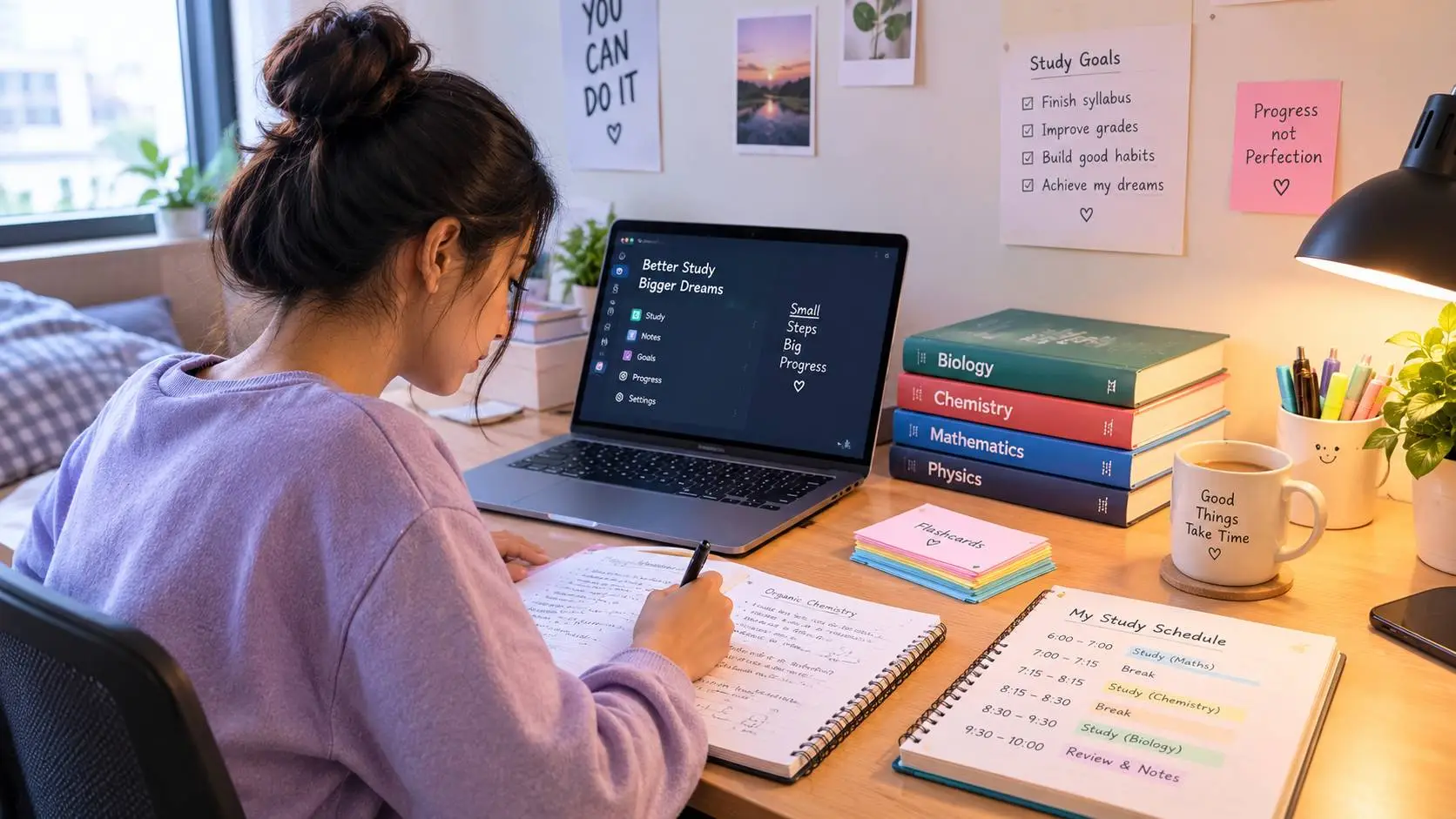
When motivation is low, avoid creating an overly complicated schedule. Pick a study block that feels realistic for your current energy level.
You can use a short work period followed by a break, or another structure that fits your routine. The important part is that the block has a clear beginning and end.
During the study block, work on one task instead of switching between subjects, messages, videos, and unrelated tabs.
During the break, step away from the work if possible.
A simple structure can help you build momentum without making the session feel endless.
Give Yourself a Clear Reason to Study
Sometimes motivation becomes easier when the purpose is specific. “I need to study” is a vague instruction. “I want to finish this topic so I can practice questions tonight” gives you a clearer reason.
Your reason does not have to be dramatic. It can be preparing for tomorrow's class, reducing stress before an exam, understanding a difficult concept, or making progress toward a larger academic goal.
Write your reason in one sentence before starting. Keep it visible during the session. When you feel like stopping, remind yourself what the current task is helping you achieve.
Do Not Try to Catch Up All at Once
Falling behind can create a cycle. You miss one session, feel guilty, make an unrealistic plan to catch up, feel overwhelmed, and then avoid studying again.
Break that cycle by returning to a realistic plan. Identify what is most important, what has a deadline, and what can wait. Start with the highest-priority work instead of trying to complete everything immediately.
You can also use a weekly review to see what you completed and what needs attention next. The goal is to create a plan you can actually follow, not a schedule that looks impressive on paper.
Build a Routine for Low-Motivation Days
A useful study routine should work on average days, not only on your best days. Create a minimum version of your routine that is easy enough to follow when your energy is low.
- Choose a regular time or trigger that reminds you to begin.
- Prepare your study materials before the session starts.
- Decide the first task before you sit down.
- Keep the first session short when starting feels difficult.
- Record what you completed so you can see your progress.
On better days, you can study for longer. On difficult days, the minimum routine keeps the habit alive.
What to Do When You Still Cannot Start
Sometimes you try these steps and still cannot begin. In that situation, stop making the problem bigger in your head. Stand up, drink some water, take a short reset, and return to one tiny task.
If you are consistently exhausted, unable to concentrate, or struggling with your normal responsibilities, the issue may be bigger than ordinary study procrastination. Consider talking with a trusted person or an appropriate professional rather than blaming yourself.
For ordinary low-motivation days, remember that progress can be small. Opening the book, completing one question, or reviewing one concept can be enough to restart the habit.
Make Studying Easier to Start Tomorrow
At the end of each study session, prepare the first step for your next session. Leave the relevant book open, write down the next question to solve, or create a short task for tomorrow.
This removes some of the decision-making that happens when you sit down again. Instead of asking, “What should I do now?” you already have an answer.
You can also use an online study room if you prefer having other people working around you. Join a StudyMates study room when you want a more structured environment for getting started.
Frequently Asked Questions
How can I study when I have absolutely no motivation?
Start with one very small task instead of planning a long session. Give yourself five minutes to begin, remove distractions, and decide what you will do before you sit down.
Why do I lose motivation when I have a lot to study?
A large workload can feel overwhelming when there is no clear starting point. Break the work into smaller tasks and choose the most important one first.
Should I force myself to study when I am tired?
If you are normally tired after a busy day, a short and simple study session may still be possible. If you are consistently exhausted or unable to function normally, focus on addressing the underlying problem rather than simply forcing longer study sessions.
Does studying with other people help motivation?
It can make starting easier because you have a sense of presence and accountability. You can study quietly alongside others without needing to work on the same subject.
How do I stay motivated to study every day?
Build a routine that does not depend on feeling motivated every day. Keep a realistic minimum study habit, make tasks specific, and review your progress regularly.